Table Saw Dust Collection: Ports, Hoses and Shop Vacs
Table saw dust collection runs through the saw's dust port, so connect a bag, a bucket adapter or a shop vac hose with an adapter that matches the port. Check the maker's manual for the port size, because a loose fit leaks dust and pulls less of it away.
On this page (9 sections)
- Where the dust port sits on a portable saw
- Dust bags, buckets and shop vacs compared
- What a 2.5 inch port means for hoses
- Picking an adapter that fits your port
- Cleaning the port and the bag
- Dust collection and the air in your shop
- Matching the dust port to a shop vac hose
- Safety points around the dust port
- Is table saw dust collection worth the setup?
Table saw dust collection starts at one port on the saw. You connect a bag, a bucket adapter or a shop vac hose to that port, and the dust goes where you want it.
The adapter matters more than the bag or the vac. A loose fit leaks dust out of the joint, and a port that's too small for the hose cuts the airflow.
Where the dust port sits on a portable saw
The manual shows where your saw's dust port sits, and it's often at the back of the saw. The port usually points down or back, so the hose can run to the floor or a cart.
Find the port on your saw before you buy anything. Measure the opening, and check the maker's manual for the port size it expects.
Dust bags, buckets and shop vacs compared
A dust bag is the simplest option, since it clips to the port and needs little setup. It also needs emptying often when you cut a lot of stock.
A bucket adapter drops the dust into a container through gravity. It's easy to manage, but it doesn't pull dust from the air around the blade the way a vacuum does.
A shop vac is the most powerful choice for most shops. It needs a hose and an adapter that fit the saw port, and it has to be kept running during each cut.
Table saw dust collector bag options
A bag works well for a small saw that makes short cuts. Pick one that's labeled for your saw or for a port of the same size.
Check the bag every few cuts. A full bag can hold dust against the port and make the connection look tighter than it is.
What a 2.5 inch port means for hoses
Many portable saws use a port of about 2.5 inches, and that size is common on shop vacs too. Shop vac hoses come in several sizes, so a size adapter is often needed.
Check the port on your saw first, then the hose, then the adapter. Matching all three is the step most buyers skip, and it's the one that causes leaks.
Picking an adapter that fits your port
An adapter is the piece that makes the port and the hose work together. Pick one that matches your saw model and your hose size, not just the general category.
The adapter below suits a 62 to 66 millimeter outlet and a 2.5 inch hose. Check that size against your saw before you order.
A dust bag is the simplest choice for a portable saw that makes short, frequent cuts.
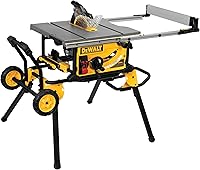
If your saw is a DeWalt DWE7485, an adapter made for that port avoids guessing about the fit.
Cleaning the port and the bag
Clean the port and the bag after each session. Dust packed into the port cuts airflow, and a packed bag holds dust against the connection.
Use a brush or the shop vac to clear the port, and keep the saw unplugged while you clean it. Never reach into the blade area to clear dust.
Dust collection and the air in your shop
Dust collection cuts down on the dust that gets into the room. It doesn't remove all of it, so the air still needs care.
Wear eye and ear protection, and a dust mask rated for wood dust, as the manual advises. Keep the shop clear enough that you can work without stirring up dust from the floor.
Matching the dust port to a shop vac hose
Shop vac hoses come in several sizes, so the adapter is often the part that makes the connection work. Pick an adapter that matches both the saw's port and the hose, not just one of them.
Check the connection before each big session. A loose joint leaks dust and lets the vac pull less from the saw, so reseat the hose and check the clamp.
Empty the vac's bin or bag before it fills. A full container cuts airflow, and it makes the connection work harder than it should.
Safety points around the dust port
Unplug the saw before you change an adapter, bag or hose. The blade is exposed at that point, and a stray switch press can start the motor.
Never remove the blade guard to make a hose fit. The guard is part of the saw's safety setup, and the maker's manual says to keep it in place.
If a port or adapter doesn't fit, stop and check the saw's manual. Forcing a part on usually leaves a gap that lets dust escape.
Is table saw dust collection worth the setup?
Yes, for a shop you use often. A bag or adapter that fits the port cuts cleanup, and a shop vac cuts the dust that reaches the room.
For occasional use, a bag may be enough. The maker's manual tells you what hose size the saw expects, so start there before you buy.
For more on the stand and layout around the saw, read the table saw stand guide. If you're setting up a bench for long boards, see the table saw outfeed table guide, and for the saw itself, start with the portable table saw guide.
Frequently asked questions
How do you hook a shop vac to a table saw?
Use an adapter that matches the saw's dust port and the shop vac's hose size, then run the vac while you cut. Check the maker's manual for the port and hose size the saw expects.
Is a dust bag enough for a portable table saw?
A dust bag catches the larger chips and is simple to use. It doesn't pull as much dust from the air as a shop vac does, and it needs emptying often when you cut a lot of stock.
What size hose does a portable table saw need?
Many portable saws use a port of about 2.5 inches, but sizes vary. Check the port on your saw and the maker's manual, then pick an adapter that fits both the port and your hose.
Should you cut without dust collection?
Dust collection cuts down on the dust that gets into the room, but it doesn't remove all of it. Wear eye and ear protection and a dust mask rated for wood dust, as the manual advises, whether or not the saw is connected.