Table Saw Kickback: What It Is and What the Manual Says
Table saw kickback is a sudden backward movement of the workpiece toward you during a cut. Your saw's manual names the causes and the parts it expects you to use, so read that section before your first cut.
On this page (10 sections)
- What table saw kickback is, in plain words
- What causes kickback, according to the manual
- Which parts the manual says help
- Check the setup against the manual before each cut
- Push tools for the cuts that need them
- What to do if kickback happens
- Mistakes that make kickback more likely
- How to read your manual for kickback
- Where to go next
- Read the manual before you cut
Table saw kickback is a sudden backward movement of the workpiece toward you during a cut. Your saw's manual names the causes and the parts it expects you to use, so read that section before your first cut.
This guide explains what kickback is in plain words, and where the manual's guidance fits. It doesn't replace the manual, and where the two differ, the manual wins.
What table saw kickback is, in plain words
Kickback is when the board is pushed back toward you, fast, while the blade is cutting it. It can happen when the wood binds against the blade, pinches the blade or lifts off the table.
The movement is quick, so the setup matters more than the reaction. That's why the manual's guard, riving knife and fence sections matter more than any general tip.
What causes kickback, according to the manual
Manuals commonly name a few causes: the board binding or pinching against the blade, the fence not parallel to the blade, and cutting without a fence or miter gauge. The list differs by model, so check the one in your manual.
Some manuals also name the blade height, the board lifting off the table and a riving knife that isn't in place. Treat that list as the reference for your saw, not a general rule.
Our how to use a table saw walkthrough covers the setup order, and it points back to the manual at each step.
Which parts the manual says help
Many portable saws include a riving knife, anti-kickback pawls and a blade guard. The manual says how each part fits, and each one has its own setup.
The riving knife sits behind the blade and keeps the cut open. The anti-kickback pawls are pivoting fingers that the manual shows how to set, and the blade guard covers the blade during the cut.
Those parts are designed to help as part of the full setup. Keep each one in place as the manual shows, and don't run the saw with a part off to get a cut done.
Check the setup against the manual before each cut
Before each cut, check that the guard is on, the riving knife is in place and the fence is locked. Check the blade height against the manual's setting and confirm the board lies flat on the table.
Use the manual as your checklist, since the exact steps and the order differ by model. If a step is unclear, stop and read that section again before you cut.
Table saw kickback checklist from the manual
Use this list as a prompt, then check each item against your own manual. Confirm the guard is on, the riving knife is in place, the fence is locked and the blade height matches the manual's setting.
Push tools for the cuts that need them
Push sticks and push blocks keep your hand farther from the blade. They don't replace the riving knife, the guard or the manual's steps, but the manual may call for them on certain cuts.
The three push tools below cover different shapes. Pick the shape the manual calls for and keep it near the saw.
Our table saw push stick roundup compares more shapes in depth.
What to do if kickback happens
If a board kicks back, turn the saw off and wait for the blade to stop before you move. Don't reach across the blade to grab the stock.
If anyone is hurt, get medical help right away.
Then check the riving knife, the guard, the fence and the board before you cut again. If a part is damaged or missing, follow the manual's troubleshooting section or contact the maker.
Mistakes that make kickback more likely
Most of the mistakes that lead to kickback come from skipping the setup. Watch for these habits:
- Cutting freehand, with no fence or miter gauge to guide the board.
- Running the saw with the riving knife or guard off.
- Feeding a board that binds or bends against the blade.
- Setting the fence so it isn't parallel to the blade.
- Rushing a cut when the board doesn't sit flat.
How to read your manual for kickback
Look for the sections on the guard, the riving knife and the anti-kickback parts first. Then find the rip fence and cutting sections, since they explain how the board should move past the blade.
Check the troubleshooting section too. It tells you what to look at when the saw or the cut behaves differently from what the manual expects.
Where to go next
Once you know what kickback is, read our what is a table saw guide for the saw's parts. For the step-by-step setup, see how to use a table saw.
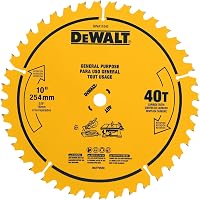
For a better sense of how a saw's parts fit together, our table saw blade direction guide shows how the blade and teeth face when the saw is set up.
Read the manual before you cut
Table saw kickback is one of the reasons the manual comes first. Every saw handles its guard, riving knife and anti-kickback parts differently, so the manual decides the setup.
Wear eye and ear protection on every cut, and keep your hands clear of the blade path. If you're unsure about a step, stop and check the manual before you cut.
Frequently asked questions
What is table saw kickback?
Table saw kickback is a sudden backward movement of the workpiece toward the operator during a cut. Your saw's manual describes it and the setup steps that apply to your model, so use that explanation as the reference for your saw.
What causes table saw kickback?
Manuals commonly name the board binding or pinching against the blade, a fence that isn't parallel to the blade, and cutting freehand. Check your manual's list, since the causes and the parts it names are specific to your model.
Does a riving knife prevent kickback?
A riving knife is one of the parts the manual may ask you to use, since it sits behind the blade to help keep the cut open. It helps only as part of the full setup, so it doesn't replace the guard, the fence settings or the other steps in the manual.
Can a push stick stop kickback?
A push stick keeps your hand farther from the blade, but it doesn't stop a board from kicking back on its own. Read the manual for the other parts of the setup, and use the push tools it describes for the cuts it covers.