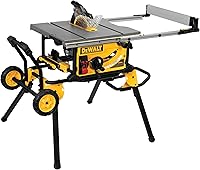
Choosing a Table Saw for a Home Workshop
Choosing a table saw starts with its type, then floor space, weight, stand and fence against the boards you cut most. Portable and jobsite saws suit most home workshops, while a benchtop saw suits a small bench and light work.
On this page (17 sections)
- Start with the boards you cut most
- Pick the saw type first
- Check the floor space and the path to it
- Look at the stand before the motor
- Compare the fence, blade size and rip capacity
- Weigh the saw and plan how to move it
- Check the guards, knives and manual
- Plan the outfeed support and the dust port
- Match the blades to the saw
- Common mistakes when buying a table saw
- Budget tiers and what they usually buy
- Check the table and the fence before you commit
- Warranty and parts support
- Questions to ask yourself before you buy
- Tools and gear to have before the first cut
- Where a budget saw makes sense
- Your rule for choosing a table saw
Choosing a table saw starts with its type, then floor space, weight, stand and fence against the boards you cut most. Portable and jobsite saws suit most home workshops, while a benchtop saw suits a small bench and light work.
Most buying mistakes come from picking on motor size alone. The stand, the rip capacity and the weight decide whether a saw works in your space, so check those before the motor.
This guide walks through the steps in order, starting with the boards and ending with the safety parts. Read the maker's manual before you cut.
Start with the boards you cut most
The boards you cut decide the rip capacity you need. Long rips on plywood and sheet goods need a wider capacity than short trim.
Write down the three cuts you make most often. Note the longest board, the widest sheet and the thickest stock, since those set the bar for the saw.
For 4x8 sheets, plan on at least 24 inches of rip capacity. Wider sheets and long trim boards are easier with 25 inches or more.
Pick the saw type first
Table saws come in three common types for home use: benchtop, jobsite and cabinet. Each one changes how much you can cut, how it moves and how much space it needs.
A benchtop saw sits on a bench and suits light stock. A jobsite saw has a stand, folding legs or wheels, so it moves between spots.
A cabinet saw is heavy and stays in one place.
Table saw types for a home workshop
Most home workshops suit a jobsite or portable saw, since it rips boards and still stores away. A benchtop saw fits a tight space, and a cabinet saw fits a shop that cuts every day.
Benchtop vs jobsite table saws walks through the three types in more detail, and it's the next read if you're still undecided.
Check the floor space and the path to it
Measure the spot where the saw will sit, including the room you need at the back for long boards. A saw in a corner needs side room to feed the board.
Measure the path too. A saw that won't fit through the door or around a corner is the wrong saw, however good its specs look.
Mark the footprint on the floor with painter's tape. Then stand where you'll work and check the reach, since a saw that sits too far from the wall makes long cuts awkward.
Look at the stand before the motor
The stand decides how the saw moves, stores and stays steady. A folding stand stores flat, a wheeled stand rolls to the work and a bench-mounted saw needs a sturdy bench.
Check whether the stand comes in the box. Some saws include one, and others need a bench or a stand you add.
Set the stand on a level, firm floor before you cut. A saw that rocks on its stand can shift during a cut, so the stand matters as much as the motor.
Compare the fence, blade size and rip capacity
The fence is the guide that keeps a board parallel to the blade. A rack and pinion fence is built for smooth adjustments, which matters on every cut.
Blade size sets the cut depth. A 10-inch blade cuts deeper than an 8-1/4-inch blade, so check the depth against the stock you use.
Rip capacity is the distance from the blade to the far side of the fence. Pick a capacity that covers your widest board, not your average one.
Weigh the saw and plan how to move it
Weight decides who has to lift the saw and how far it can travel. A saw at about 50 pounds is a one-person lift with help, while a saw over 90 pounds is a two-person job.
Plan the move before the saw arrives. Clear a path, check the doorways and decide where the saw will sit once it's in place.
A wheeled stand takes some of the weight off the move, but the saw still needs to be levelled and locked at the end.
Check the guards, knives and manual
Every table saw should have a blade guard, a riving knife and anti-kickback pawls. Check the box for those parts before you buy, and check the manual for how each one sets up.
Kickback is the risk to plan around. The kickback guide explains what the manual says about it, and the guards are the first line of defense.
Read the maker's manual before the first cut. The manual is the final word on your saw, and it covers the dado limits, the blade sizes and the setup steps.
Plan the outfeed support and the dust port
Long boards need support on the back side of the saw. A roller stand or outfeed table keeps the far end steady, and the outfeed table guide shows when you need one.
Check the dust port before you buy a bag or a hose. The table saw dust collection guide covers the common port sizes and hookups.
Budget for these extras when you plan the spot. A saw with no support or dust plan will feel harder to use than the saw itself.
Match the blades to the saw
Blades are the part you'll change most often, so check the sizes the saw takes. A 10-inch saw takes 10-inch blades, and an 8-1/4 inch saw takes blades of that size.
Dado sets need a check against the manual, since not every portable saw takes one. The dado blade guide covers what to check.
For the blade itself, the best table saw blades guide covers the common choices. Pick the blade for the cuts you make, not the one with the most teeth.
Common mistakes when buying a table saw
The most common mistake is buying on motor size alone. A strong motor doesn't fix a short rip capacity or a stand that wobbles.
The second mistake is skipping the floor measurement. A saw that doesn't fit the spot, or the path to it, goes back to the store.
The third mistake is ignoring the manual's limits. Check the blade sizes, the dado limits and the stand setup before you buy, not after the saw is in the garage.
Budget tiers and what they usually buy
Saws sort into entry, mid-range and premium tiers. Entry saws cover the basics, mid-range saws add a stand and a bigger rip capacity, and premium saws add heavier builds and more power.
Match the tier to the work, not to the brand name. A tier that's too high for your projects pays for features you won't use, and a tier that's too low holds you back on wide sheets.
Look first for the features that matter to your cuts. That means a stand that fits your space, a fence that locks solidly, a riving knife in the box and a rip capacity that covers your widest board.
Check the table and the fence before you commit
The table should be flat, and the fence should lock firmly at both ends. Lay a straightedge across the table, then check the fence at the front and the back.
A fence that drifts when you lock it makes every cut less accurate. Check that the lock holds before you cut, and read the manual for how to align the fence to the blade.
The miter slot should be clean and free of burrs. Those are small details, but they decide how smoothly a sled or miter gauge moves through a cut.
Warranty and parts support
Read the warranty terms before you buy. Terms vary by brand, and some makers cover parts and labor differently from others.
Check how a replacement guard or riving knife is sourced. A saw whose parts are easy to find is easier to keep safe over the years, and the manual lists the part numbers.
Keep the box, the receipt and the manual together. You'll need the model number for a warranty claim or to order a part.
Questions to ask yourself before you buy
Work through these five questions before you pick a saw:
- What are my three most common cuts, and how wide is the widest board?
- Where will the saw sit, and how far does it have to move?
- Who will lift it, and how often will I move it?
- Do I have a stand, or do I need one in the box?
- Am I ready to read the manual and set up the guards before my first cut?
Answering those questions usually narrows the list to one or two saws. If you can't say yes to the last one, plan the setup time before the saw arrives.
Tools and gear to have before the first cut
A square and a tape measure are the basics for setting the blade and the fence. Check both before you cut, since a fence that's out of square ruins the cut.
Push sticks and a push block help keep your hands back from the blade. Check that the saw includes them, or buy them with the saw, and use the size the manual expects.
Safety glasses, hearing protection and a dust mask are the personal gear to plan. The manual may list more, so follow it before your first session.
Where a budget saw makes sense
A budget saw suits light projects, small stock and a shop that cuts now and then. It's a sensible first step when you're not sure how often you'll use a table saw.
Check the stand, the fence and the parts in the box before you buy a budget model. Those matter more than the motor on a saw that you'll set up often.
If your projects grow, a budget saw can work as a second saw in a shop that already has a bigger one. Plan the upgrade when the work outgrows the saw, not before.
Your rule for choosing a table saw
Pick the type that fits the boards you cut most, then check the space, the stand, the weight and the fence. Let the manual settle any question on blade sizes, dado limits and setup.
For a beginner's pick, read the best table saws for beginners. For a broader look at the portable range, start with the portable table saw guide.
Frequently asked questions
What is the best type of table saw for a home workshop?
For most home workshops, a portable or jobsite saw is the best fit, since it rips boards and moves with a stand. A benchtop saw suits a small bench and light work, and a cabinet saw suits a dedicated shop that cuts all day.
How much floor space does a table saw need?
Plan for the saw, the stand and room to feed a board from the front and support it at the back. Measure the spot, then check the saw's footprint and the stand's footprint before you buy.
Should I buy a 10-inch or an 8-1/4-inch table saw?
A 10-inch saw gives more cut depth and rip capacity, while an 8-1/4-inch saw is smaller and lighter. Pick by the boards you cut most, and check the depth before you buy.
What should I check in the maker's manual before buying?
Look for the blade sizes the saw takes, the guard and riving knife setup, the stand assembly and any dado limits. Read the warranty terms too, since they vary by brand.